
Understanding Cellular Bands: What 4G, 5G, and Band Numbers Actually Mean
Cellular band numbers like Band 41 and n77 are just frequency labels that shape speed, range, and building penetration. Learn the low, mid, and high band trade-offs, common 4G and 5G bands, and how to choose or troubleshoot a router.
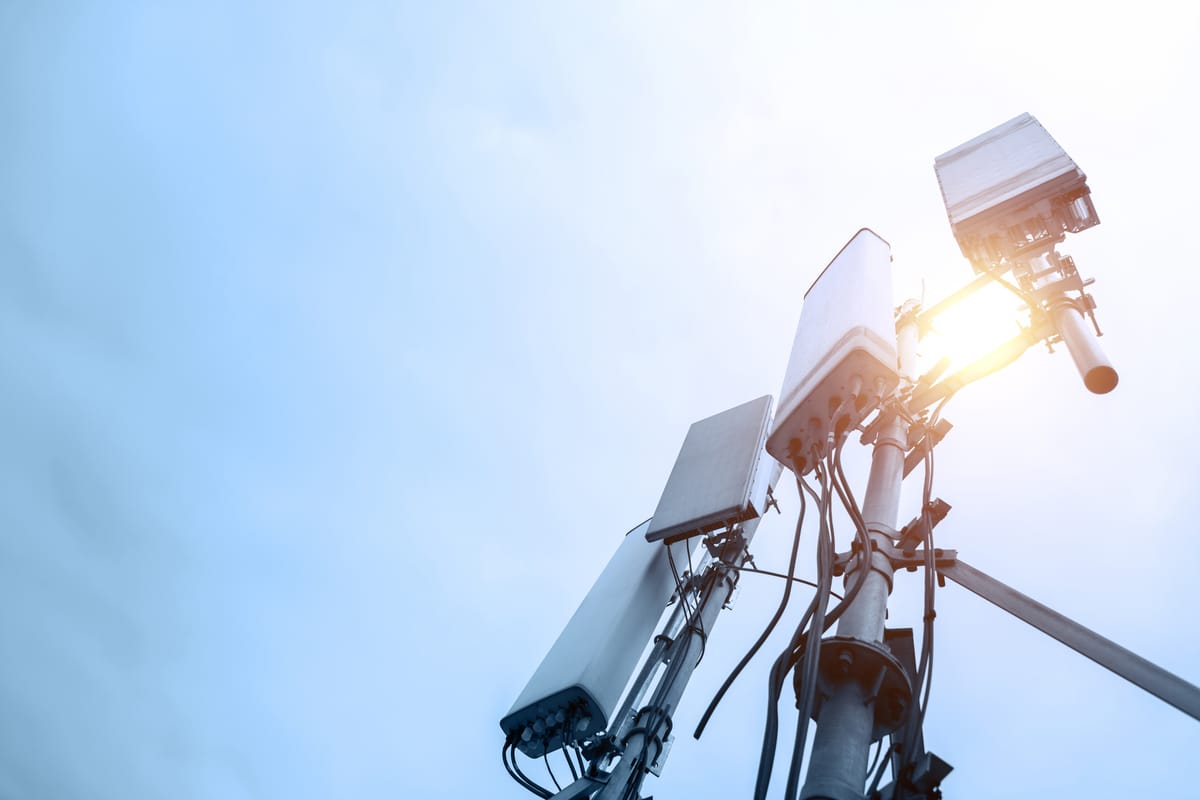
A plain-English explanation of cellular frequencies and why they affect your internet experience.
Why bands matter for internet users
When shopping for a cellular router or troubleshooting, you will hear terms like "Band 41" or "n77." These affect your real-world speed, range, and building penetration. Understanding the basics helps you make better equipment choices.
The simple version
Cellular networks use different radio frequencies (bands) with trade-offs:
- Low-band (600-900 MHz): Travel far, penetrate buildings well, lower speeds
- Mid-band (1700-2600 MHz): Balance of range and speed
- High-band/mmWave (24+ GHz): Very fast, but short range and poor building penetration
Your router connects to whatever bands are available from your carrier at your location.
4G LTE bands you might see
Common bands in the US:
- Band 2 (1900 MHz): Mid-band, decent balance
- Band 4/66 (1700/2100 MHz): Common in urban areas
- Band 12/17 (700 MHz): Good for rural and building penetration
- Band 71 (600 MHz): T-Mobile's extended range
5G bands explained
Sub-6 5G (what most people actually get):
- n71 (600 MHz): Low-band, wide coverage
- n77 (3.7 GHz): Mid-band "C-band"
- n41 (2.5 GHz): T-Mobile's primary mid-band 5G
Millimeter wave: Extremely fast but requires line of sight, mostly urban. For home and business internet, sub-6 5G is typically more relevant.
What this means for your setup
When choosing equipment: Make sure your router supports the bands your carrier uses in your area. Look up your carrier's primary bands and verify equipment supports them.
When troubleshooting: If your router locks onto weak high-band signal instead of stronger low-band, performance suffers. Some routers let you manually select or exclude bands.
When comparing carriers: Different carriers own different spectrum in different locations. Carrier A might have excellent mid-band where Carrier B relies on congested low-band.
The 5G reality check
Low-band 5G offers similar speeds to 4G. Mid-band 5G is noticeably faster but requires closer tower proximity. mmWave is rare and situational. For most users, mid-band 5G offers the best practical improvement.
Related:
The bottom line
Bands are radio frequencies with different characteristics. Low bands go far and penetrate buildings but are slower. High bands are fast but limited in range. Mid-bands balance both. Understanding this makes equipment choices and troubleshooting more logical.